
Flight is one of humanity’s most remarkable achievements, allowing us to traverse vast distances in a matter of hours. The world of aviation is not only about the mechanics of flight but also about the intricate dance of air traffic, the evolution of technology, and the surprises that can occur in the skies. This report delves into the dynamic flight paths and unexpected events that characterize modern aviation, highlighting how these elements contribute to the legends of Flight Legends.
The Evolution of Flight Paths
The concept of flight paths has evolved significantly since the Wright brothers took to the skies in 1903. Initially, flights were limited to direct routes, often dictated by geographical constraints and the availability of landing fields. However, as technology advanced, so too did the complexity of flight paths. Today, aircraft navigation relies on a sophisticated network of airways, which are akin to highways in the sky.
Modern aircraft utilize advanced navigation systems such as GPS, which allow for more flexible and efficient routing. This flexibility is crucial, especially given the dynamic nature of air traffic. Weather conditions, air traffic congestion, and even geopolitical factors can necessitate changes in flight paths. Pilots and air traffic controllers work in tandem to adjust routes in real-time, ensuring safety and efficiency.
The Role of Air Traffic Control
Air traffic control (ATC) is a critical component in managing the flow of aircraft in the airspace. The primary objective of ATC is to prevent collisions and ensure safe distances between aircraft. Controllers use radar and satellite technology to monitor flights and provide instructions to pilots.
The dynamic nature of ATC is evident during peak travel times, such as holidays or major events. During these periods, the volume of air traffic can increase dramatically, leading to complex coordination efforts. For instance, during the summer months, European airspace can become congested due to vacation travel, requiring ATC to implement flow control measures. These measures may include holding patterns, route adjustments, or even flight delays to maintain safety.
Weather and Its Surprises
Weather is one of the most unpredictable factors affecting flight paths. Pilots and air traffic controllers must constantly monitor weather conditions to make informed decisions. Severe weather phenomena, such as thunderstorms, hurricanes, or snowstorms, can significantly impact flight operations. For example, a sudden thunderstorm can lead to turbulence, requiring pilots to alter their flight paths to avoid dangerous conditions.
Moreover, weather can also create surprising scenarios for passengers and crews alike. One notable instance occurred in 2010 when a volcanic eruption in Iceland disrupted air travel across Europe for several weeks. The ash cloud rendered many airports inoperable, leading to widespread cancellations and delays. This event highlighted the interconnectedness of global air travel and the potential for unforeseen disruptions.
Technological Advancements and Their Impact
The aviation industry has witnessed remarkable technological advancements that have transformed flight paths. The introduction of more fuel-efficient aircraft, such as the Boeing 787 Dreamliner and the Airbus A350, has allowed airlines to explore new routes that were previously unfeasible. These aircraft can fly longer distances without refueling, opening up direct flights between cities that were once connected only through layovers.
Additionally, advancements in data analytics and artificial intelligence are beginning to play a role in optimizing flight paths. Airlines are now using algorithms to analyze historical flight data, weather patterns, and air traffic trends to predict the most efficient routes. This data-driven approach not only saves time and fuel but also reduces carbon emissions, contributing to more sustainable aviation practices.
The Human Element in Flight
While technology plays a significant role in aviation, the human element remains paramount. Pilots are trained to handle a variety of scenarios, including unexpected changes in flight paths. Their ability to make quick decisions and communicate effectively with air traffic control can be the difference between a routine flight and a critical situation.
One of the most legendary stories in aviation history is that of Captain Chesley “Sully” Sullenberger, who successfully landed US Airways Flight 1549 on the Hudson River after both engines failed due to a bird strike. This incident serves as a testament to the importance of pilot training, experience, and calmness under pressure. The successful ditching of the aircraft not only saved the lives of all passengers and crew but also highlighted the unpredictability of flight and the need for preparedness.
Surprises in the Skies
Aviation is rife with surprises, both good and bad. While pilots and air traffic controllers are trained to anticipate and manage various situations, unexpected events can still occur. For instance, wildlife strikes, such as bird strikes, can lead to emergency situations that require immediate action.
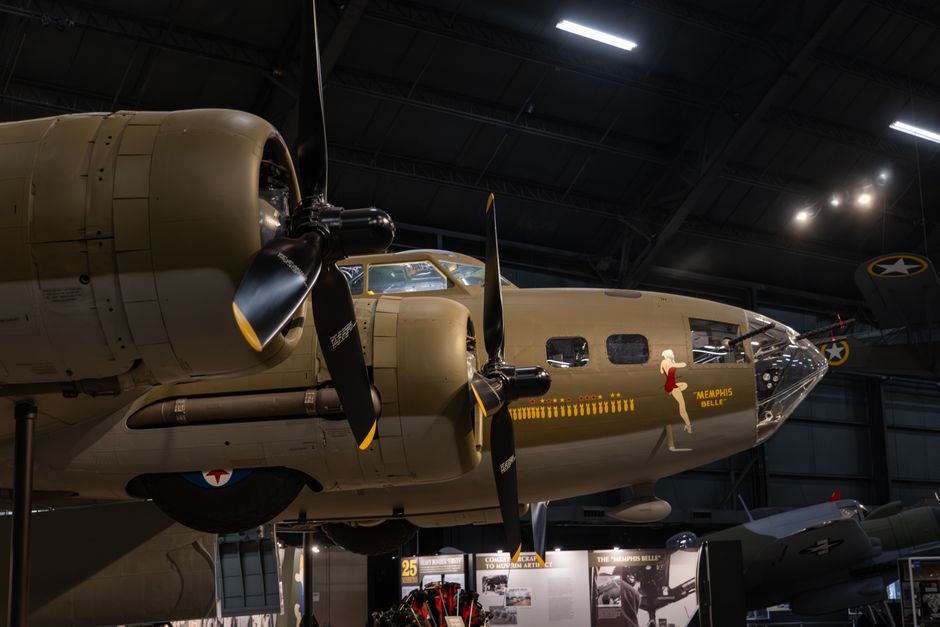
On a lighter note, surprises can also come in the form of unexpected sights from the cockpit. Pilots often share stories of witnessing breathtaking sunrises and sunsets, auroras, or even rare meteorological phenomena like cloud formations that resemble waves. These moments serve as reminders of the beauty of flight and the unique perspective it offers.
Conclusion
Flight is a dynamic and ever-evolving field that encompasses a myriad of factors, from technological advancements to human ingenuity. The interplay of air traffic control, weather, and pilot experience creates a complex tapestry of flight paths that are constantly in flux. While surprises are an inherent part of aviation, they also contribute to the legends of flight. As we continue to explore the skies, the stories of those who navigate them will inspire future generations to reach for new heights in the world of aviation. The journey of flight is not just about reaching a destination; it is about the experiences and surprises that unfold along the way.